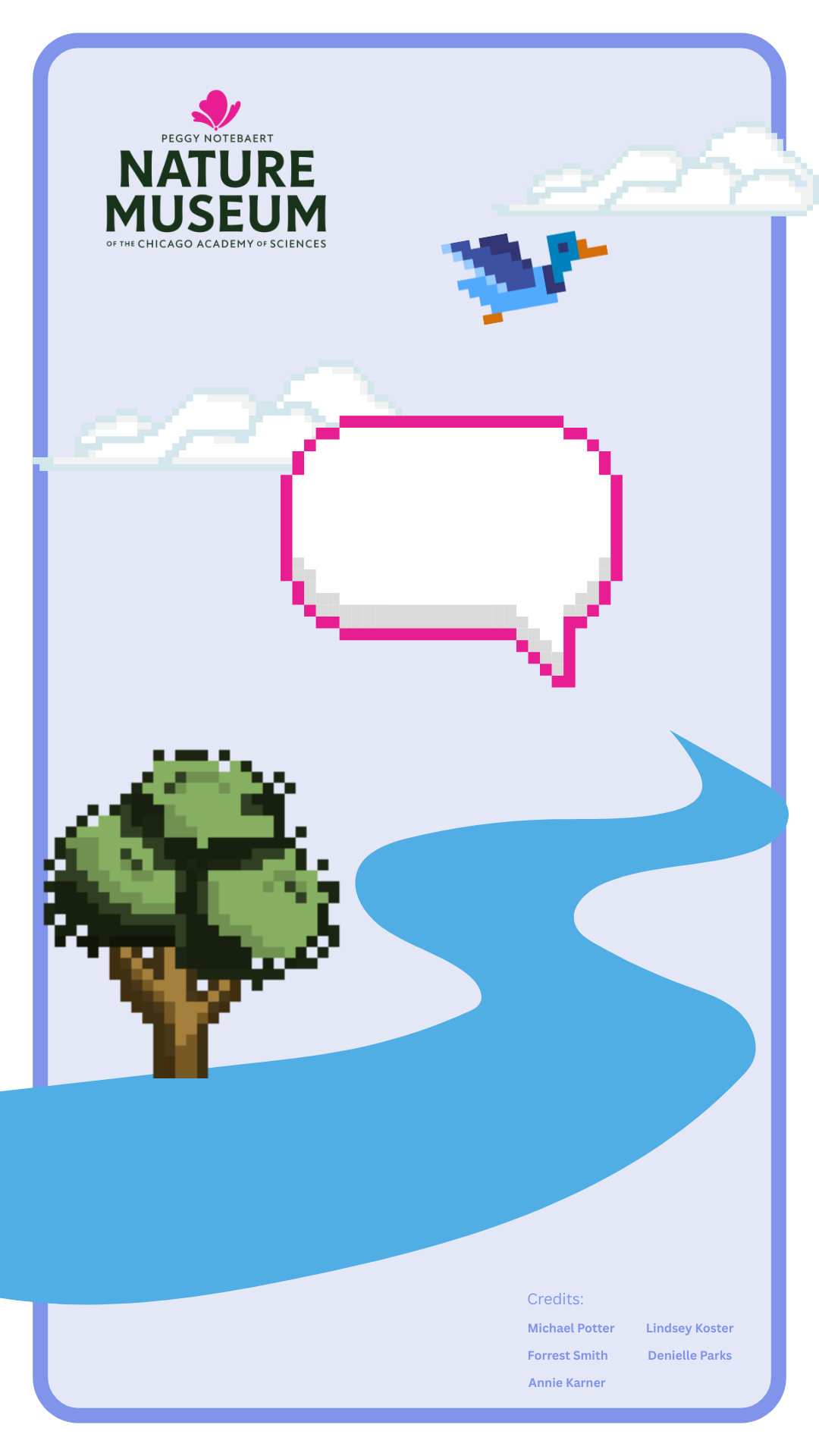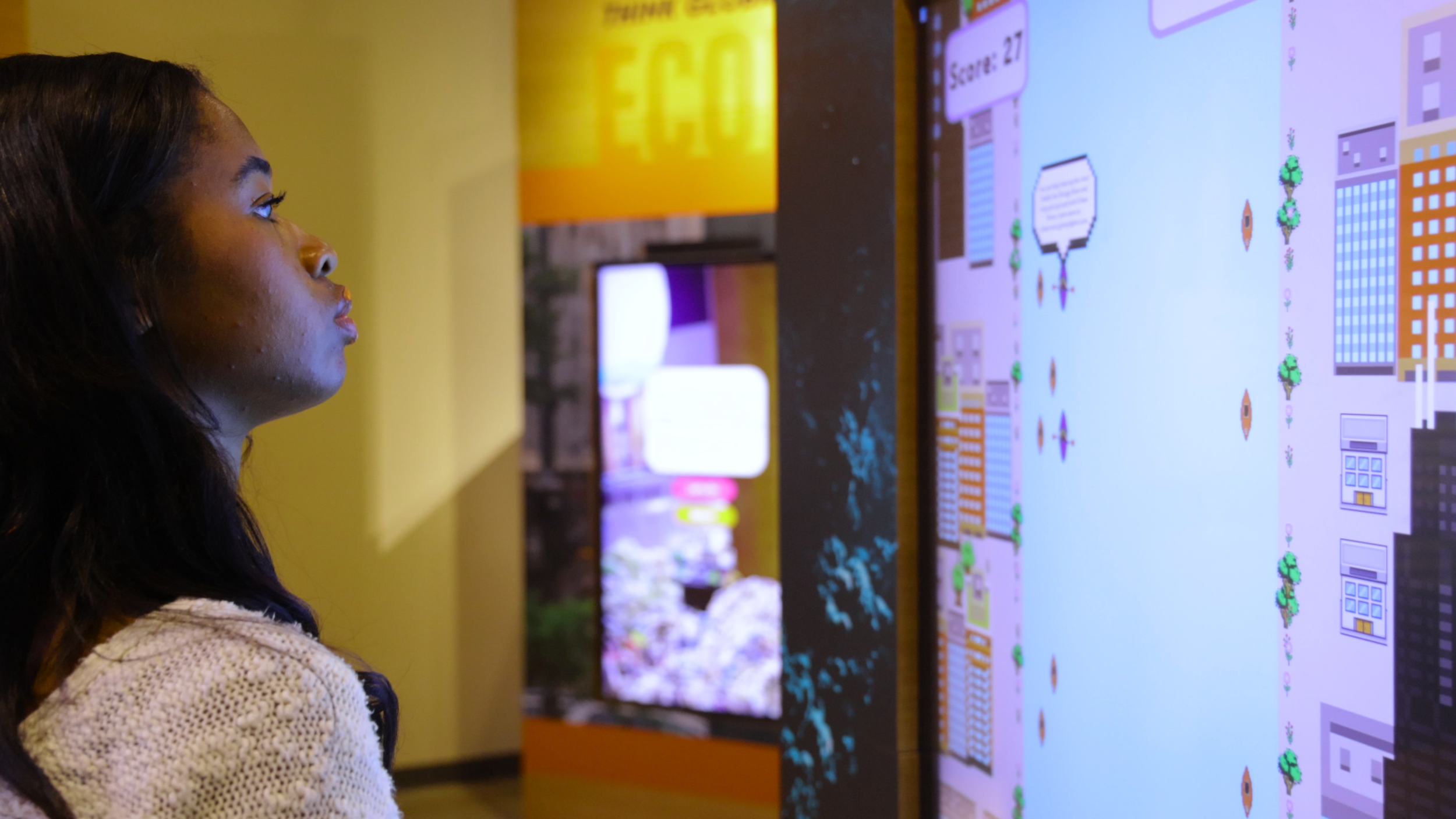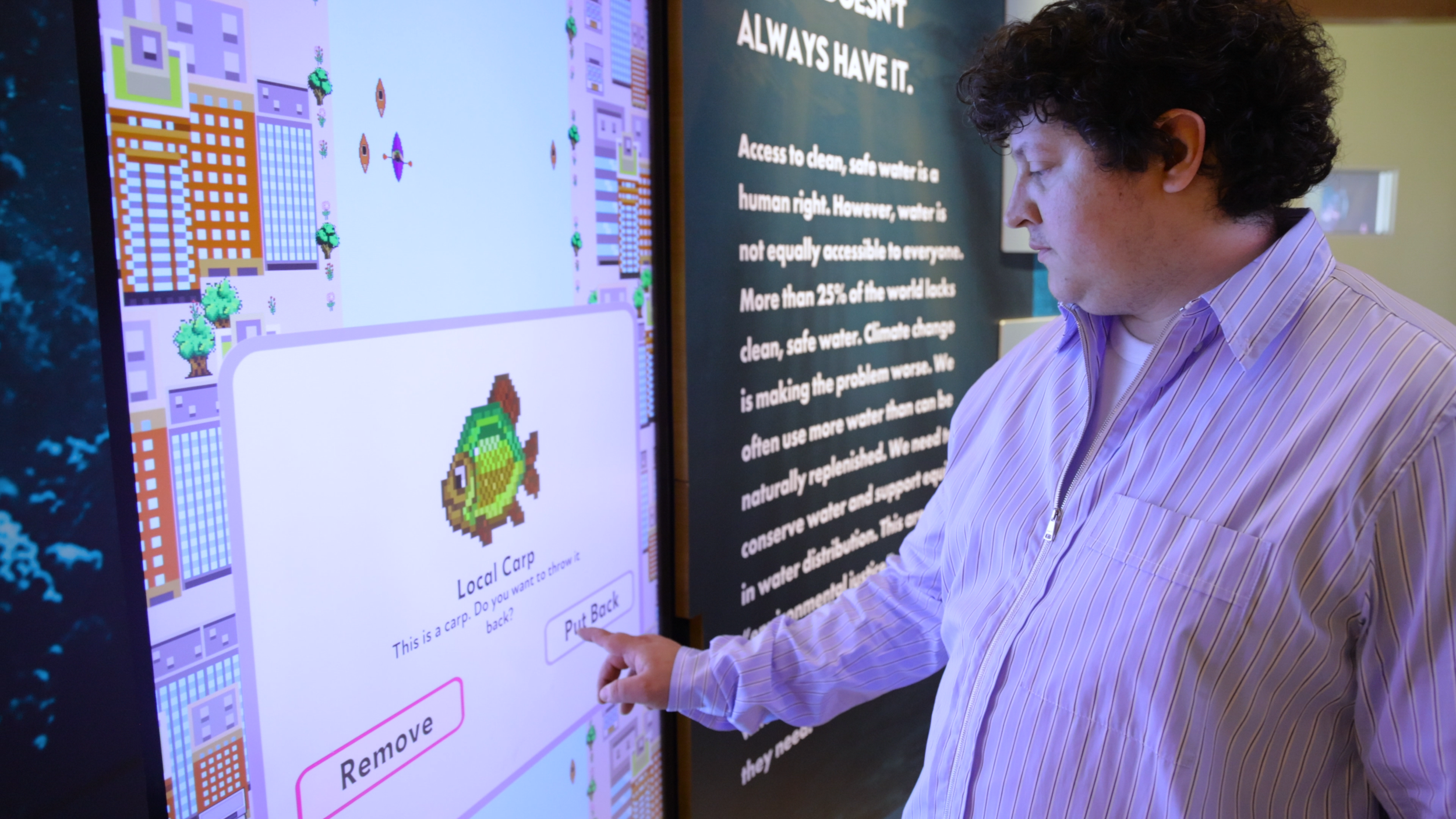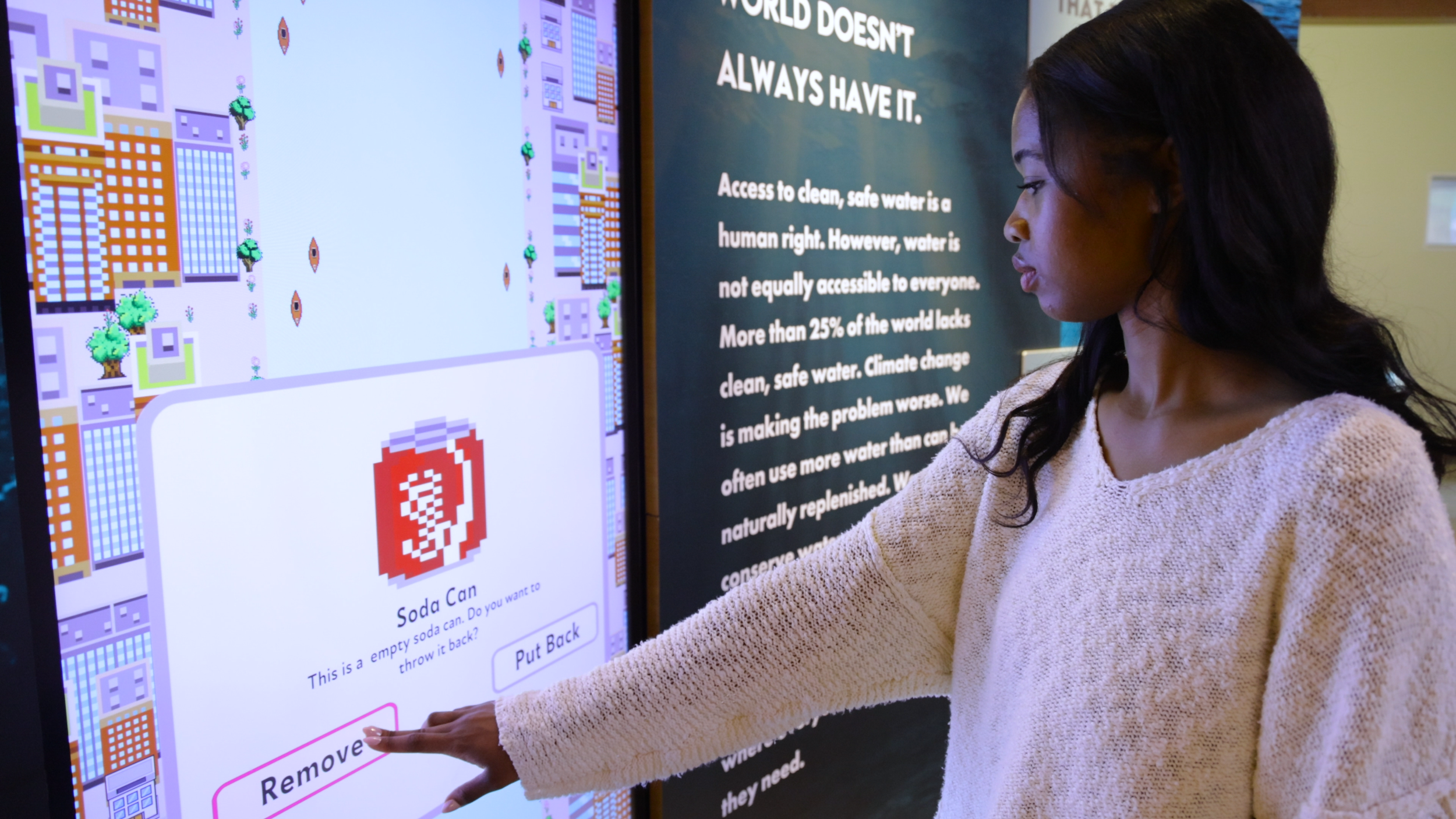
Museum screen design.
This senior capstone project is an active exhibit designed for the Chicago Nature Museum, focused on engaging visitors through playful, educational gameplay. The exhibit encourages users, particularly children and families, to learn about environmental responsibility through direct interaction, movement, and feedback rather than passive observation.
The experience blends touchscreen gameplay, character-driven interaction, and environmental storytelling to make learning intuitive, memorable, and accessible to visitors of all ages.
Research
-
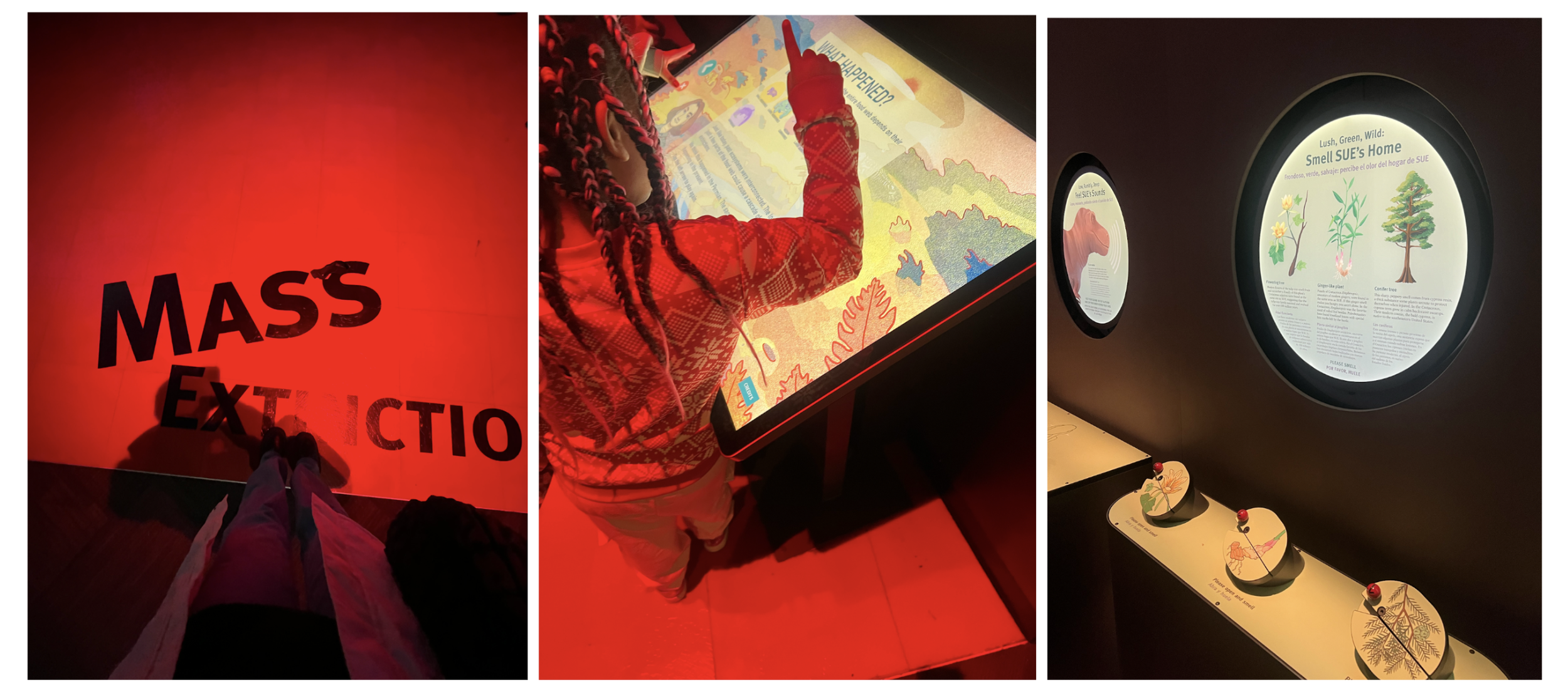
We observed that touchscreen exhibits drove the highest engagement across age groups by encouraging hands-on exploration. Lighting and spatial design also played a key role in guiding attention and supporting accessibility.
Key Takeaways
Learning is strongest through active participation
Touch interaction engages multi-age audiences
Environmental cues significantly impact engagement
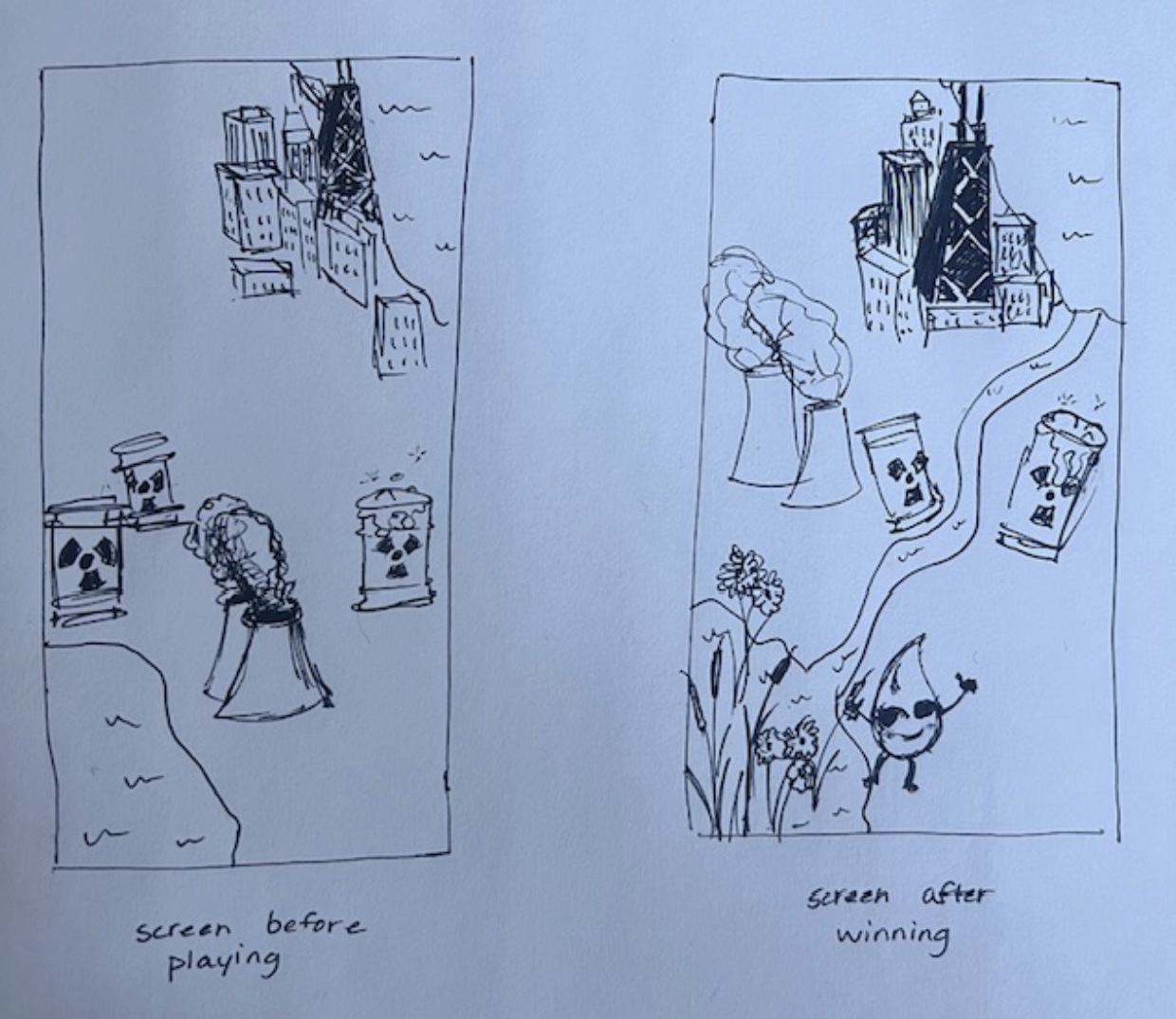
Sketches and vision board
-
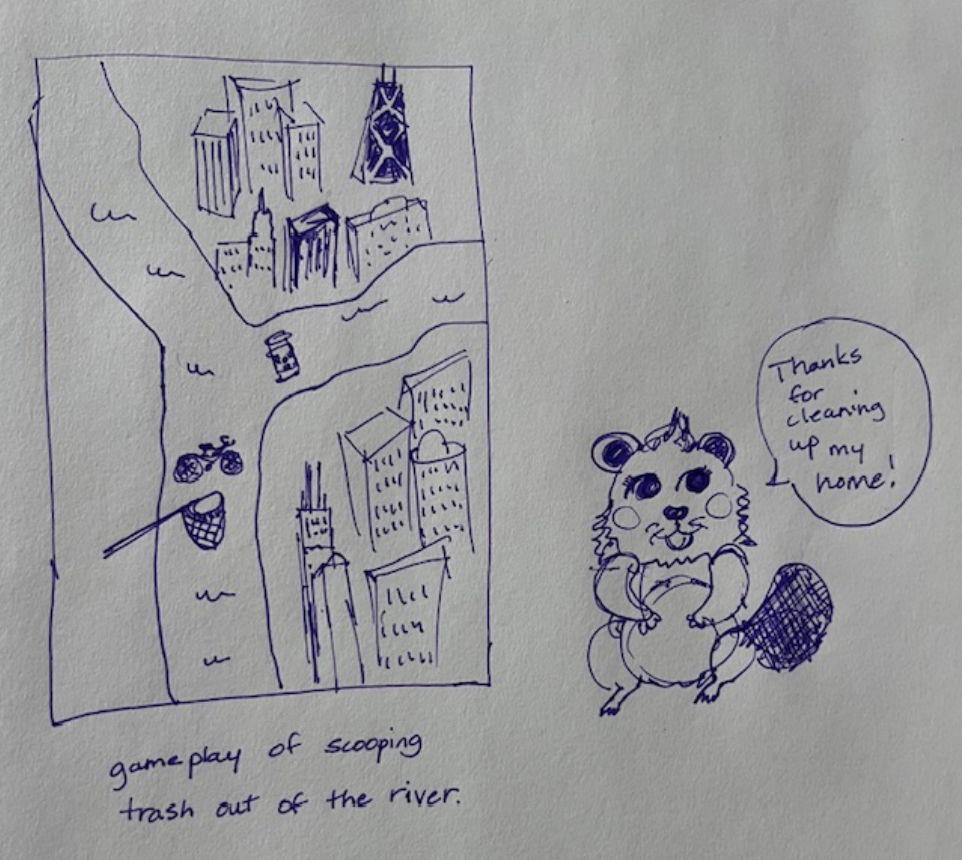
Sketching enabled rapid iteration on user flow and interactions within a physical exhibit. A vision board defined a playful, curious visual tone that appealed to both children and adults.
Focus Areas
Child-friendly interaction cues
Environmental storytelling
Balance of education and play
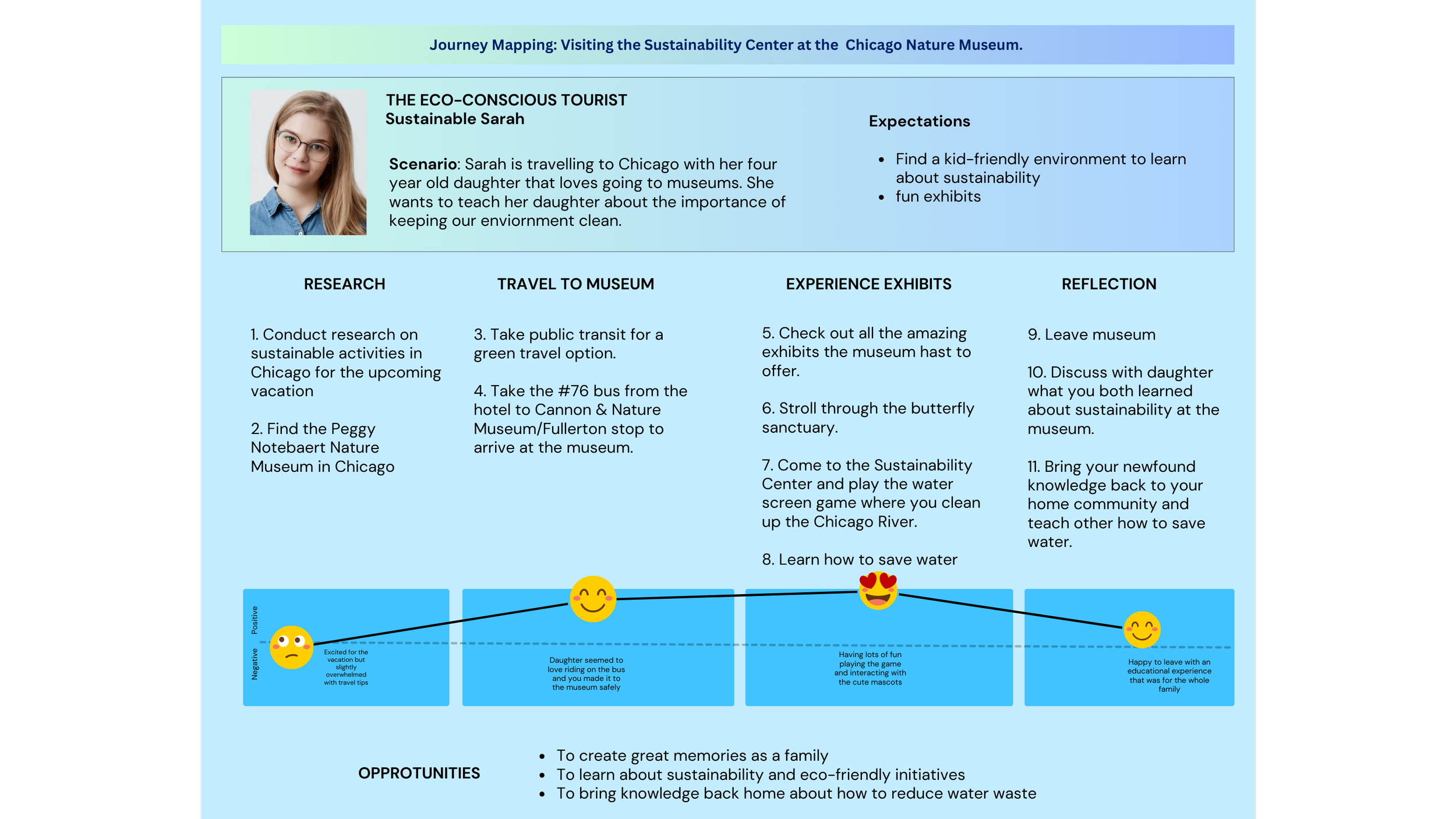
Journey Map
-
The journey map highlighted visitor emotions, time constraints, and attention challenges, revealing the need for an experience that is intuitive, collaborative, and quick to engage.
Key Insight
The exhibit needed to be easy to understand, rewarding, and brief enough to fit seamlessly into a busy museum visit.
My Role
-
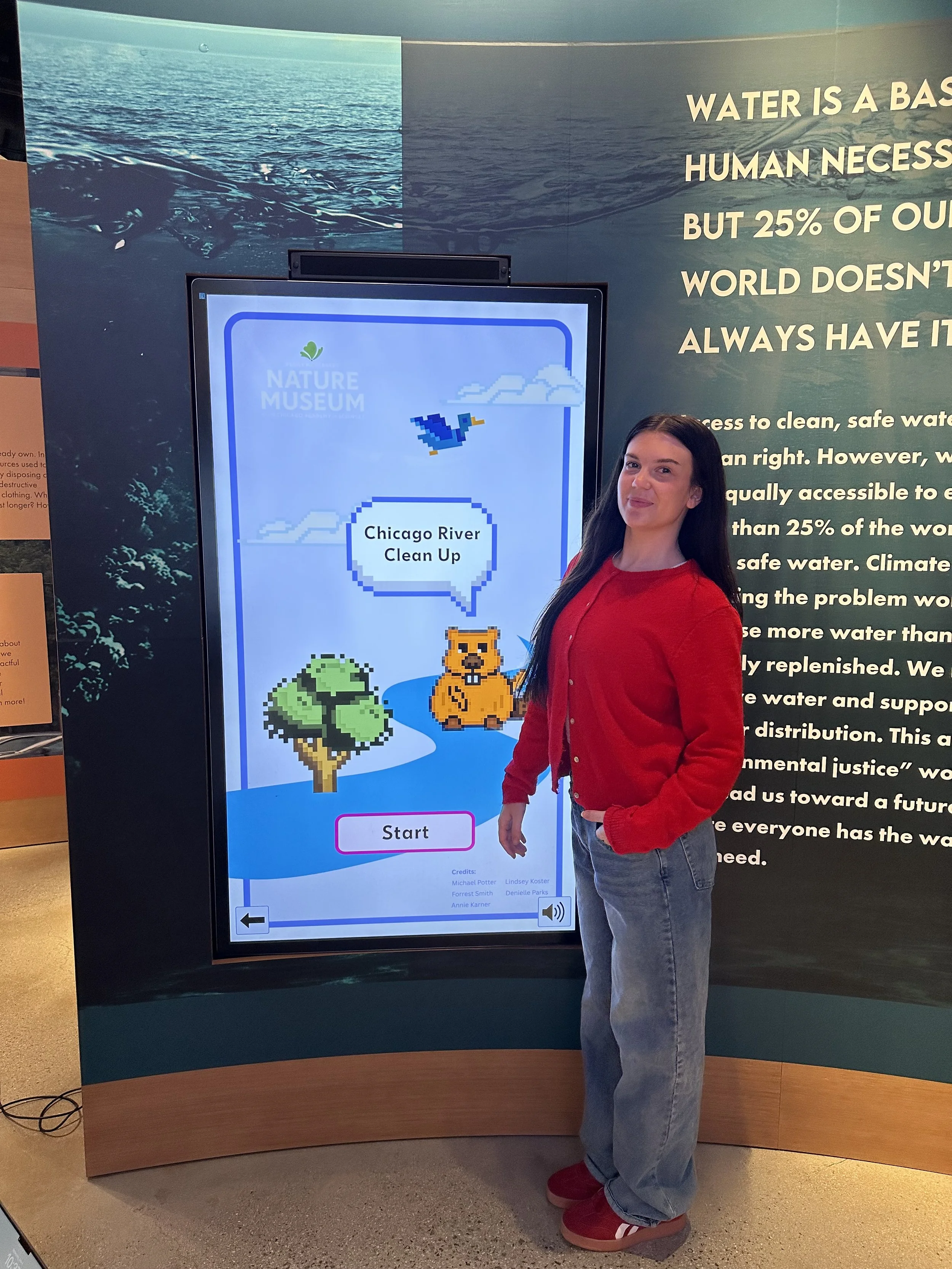
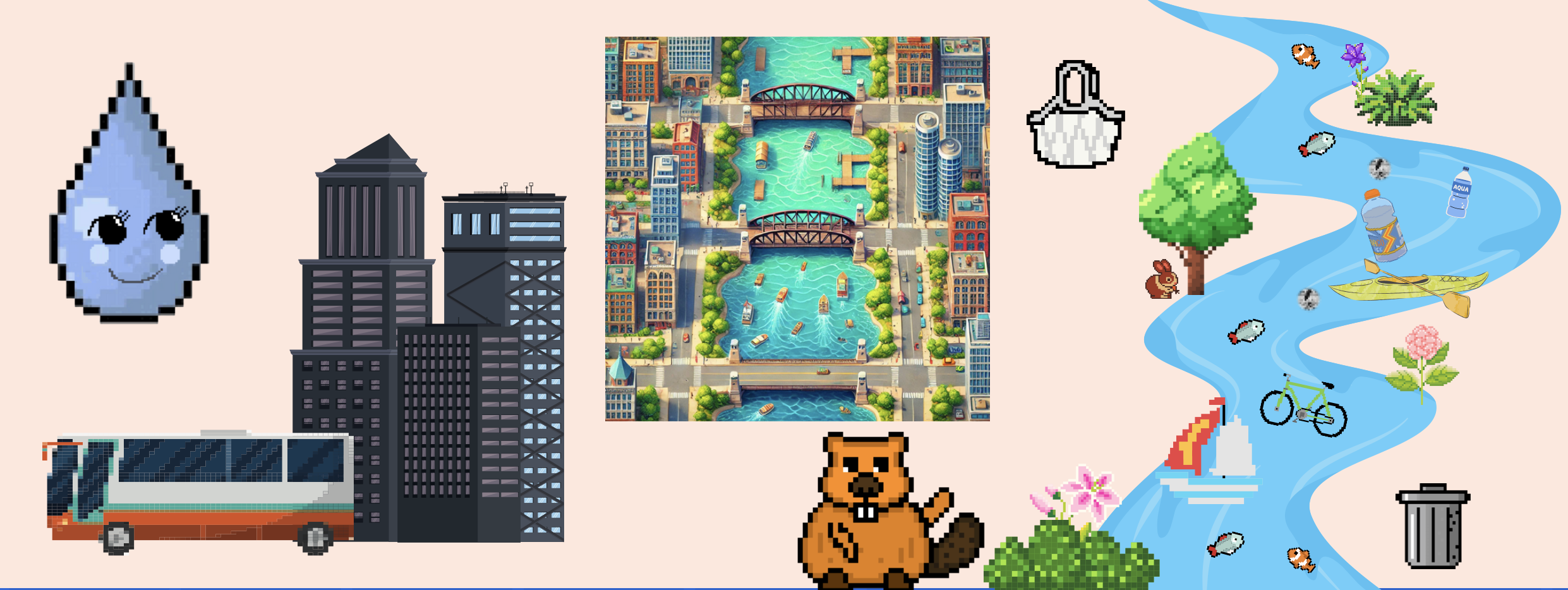
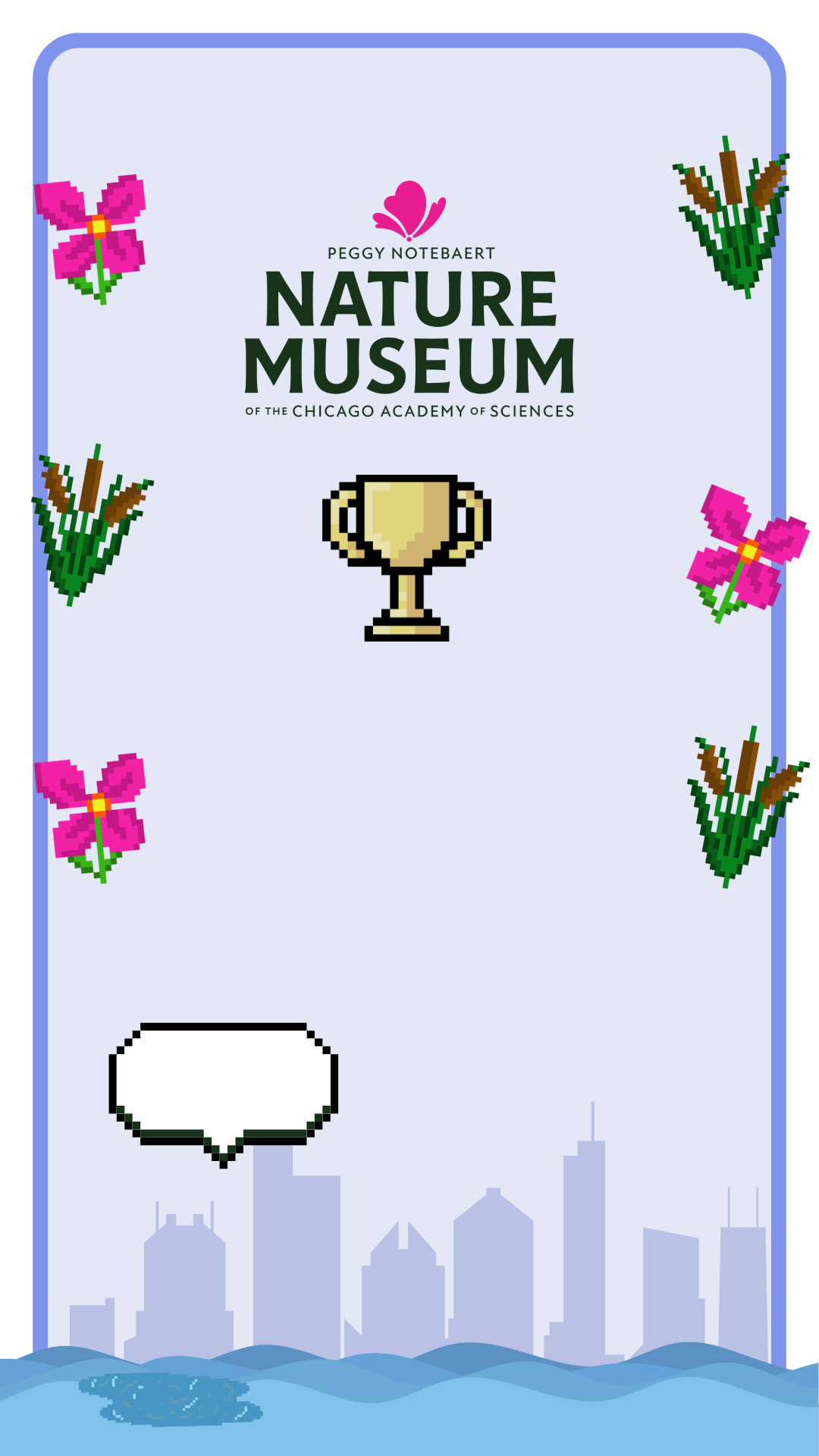
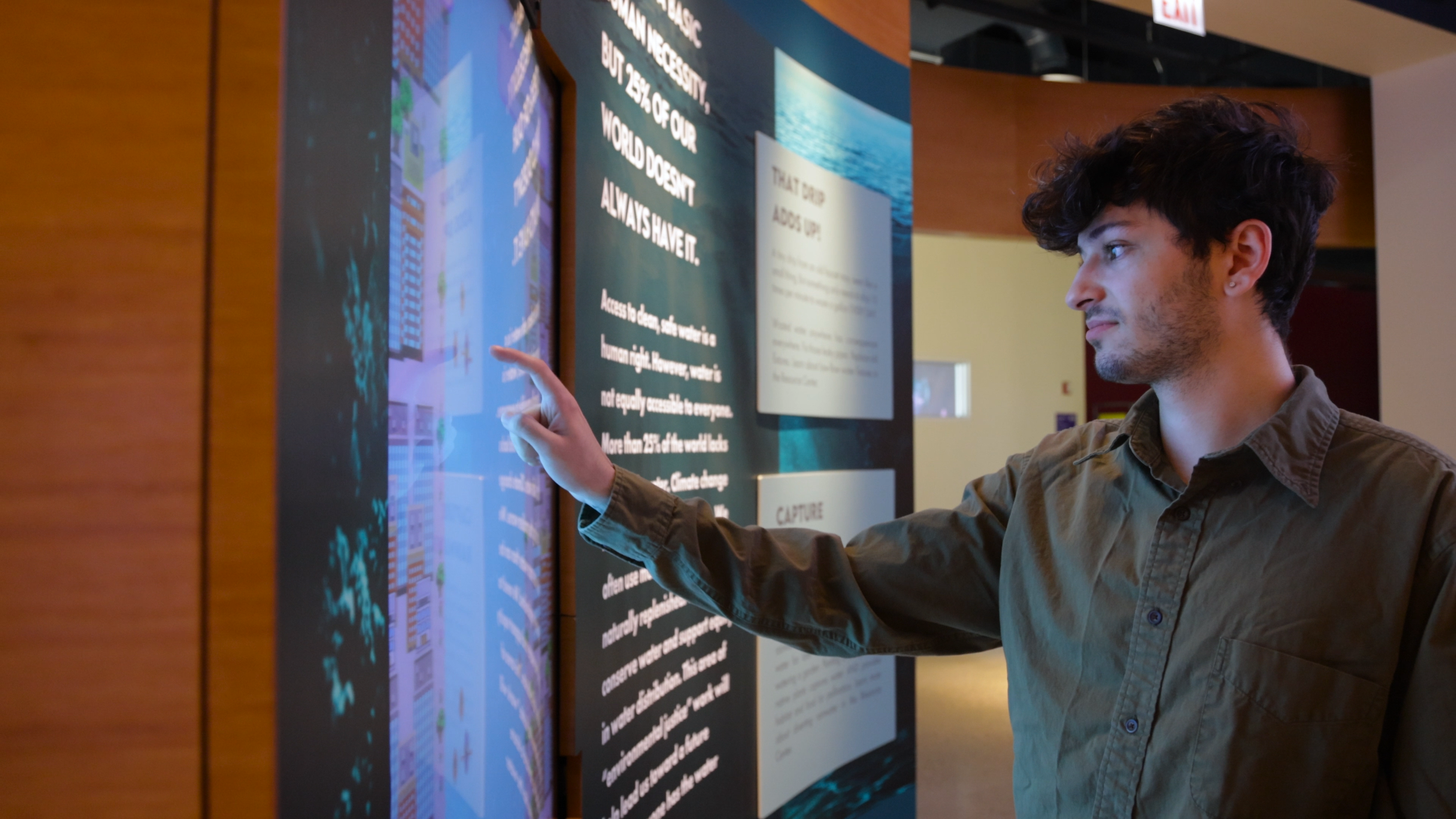
I led the visual and graphic design for the exhibit, creating a child-friendly interface aligned with the museum’s brand. I designed the start and end screens, key UI elements, and in-game assets in Piskel, while also contributing to user research and field observations. Throughout the project, I collaborated closely with the team to maintain visual consistency, accessibility, and educational clarity.
-
At this stage, visuals were intentionally simplified to focus on core functionality and interaction flow rather than polish.
The Unity prototype allowed the team to:
Validate touch and interaction feedback
Test pacing and engagement length
Explore how users might physically approach and interact with the exhibit
Low-Fidelity Prototype
second prototype
-
After feedback from the museum director, we refined the prototype to better reflect Chicago’s local context and educational goals. To make the exhibit immediately recognizable, we added familiar elements from the Chicago River and Lake Michigan such as discarded chip bags, kayaks, Divvy bikes, and native fish grounding the experience in real-world environmental issues.
Key Outcomes
Increased educational relevance through local, recognizable details
Stronger sense of place tied to Chicago
Clear evidence of iteration based on stakeholder feedback
Consistent visual language across all assets
user testing
-
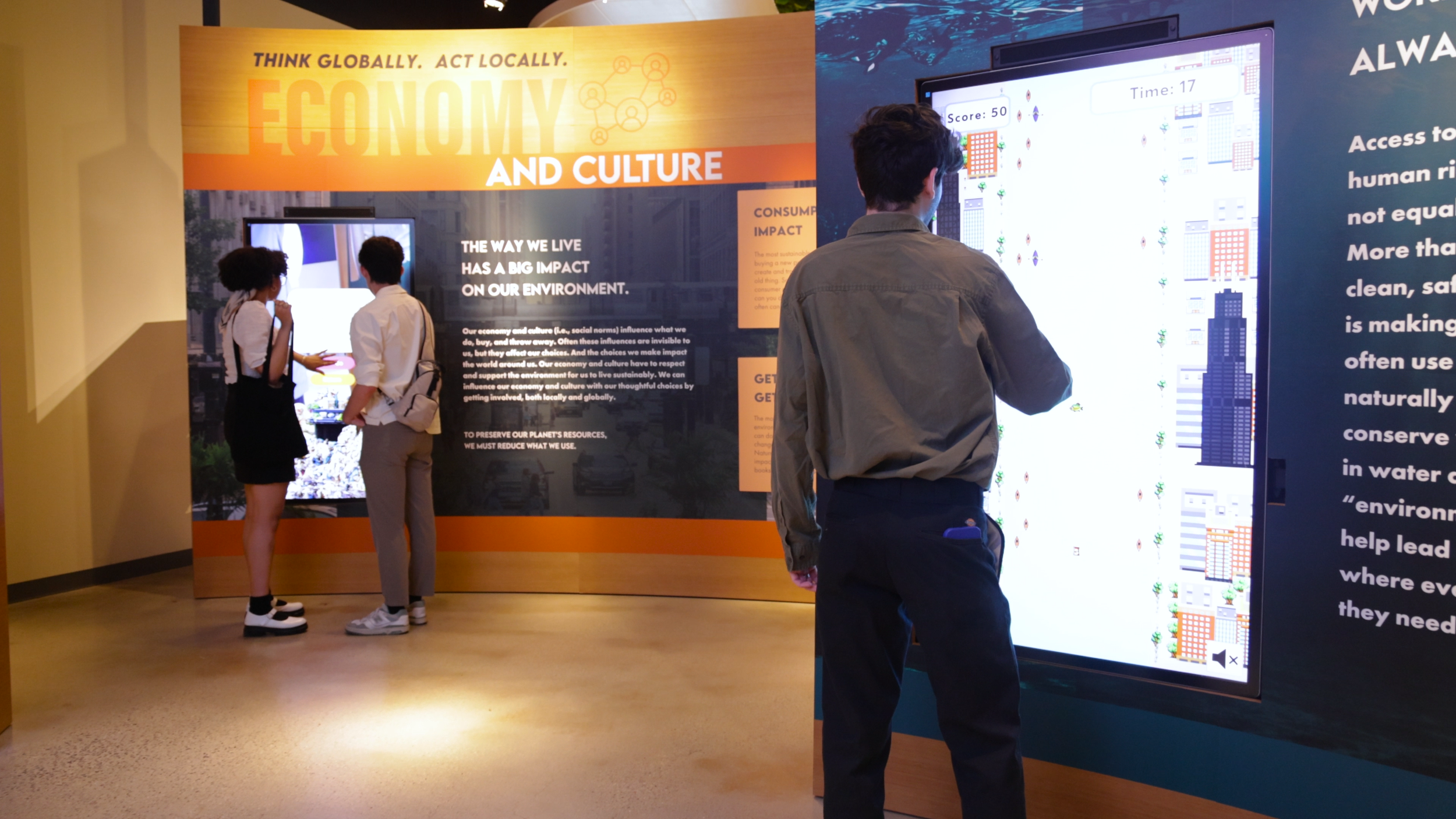
We tested the game on-site using the live museum display. Early testing revealed aspect ratio issues, which were fixed before additional sessions with visitors and the museum director. Feedback led to larger, more prominent Chicago buildings, clearer onboarding, and a short tutorial to support learning goals.
Final testing with children showed high engagement but difficulty with small tap targets, prompting us to increase interaction zones for accessibility and multi-user play.
Key Outcomes
Fixed real-world display issues
Stronger city recognition and clarity
Added instructional onboarding
Improved accessibility for younger users
Sound Design
-
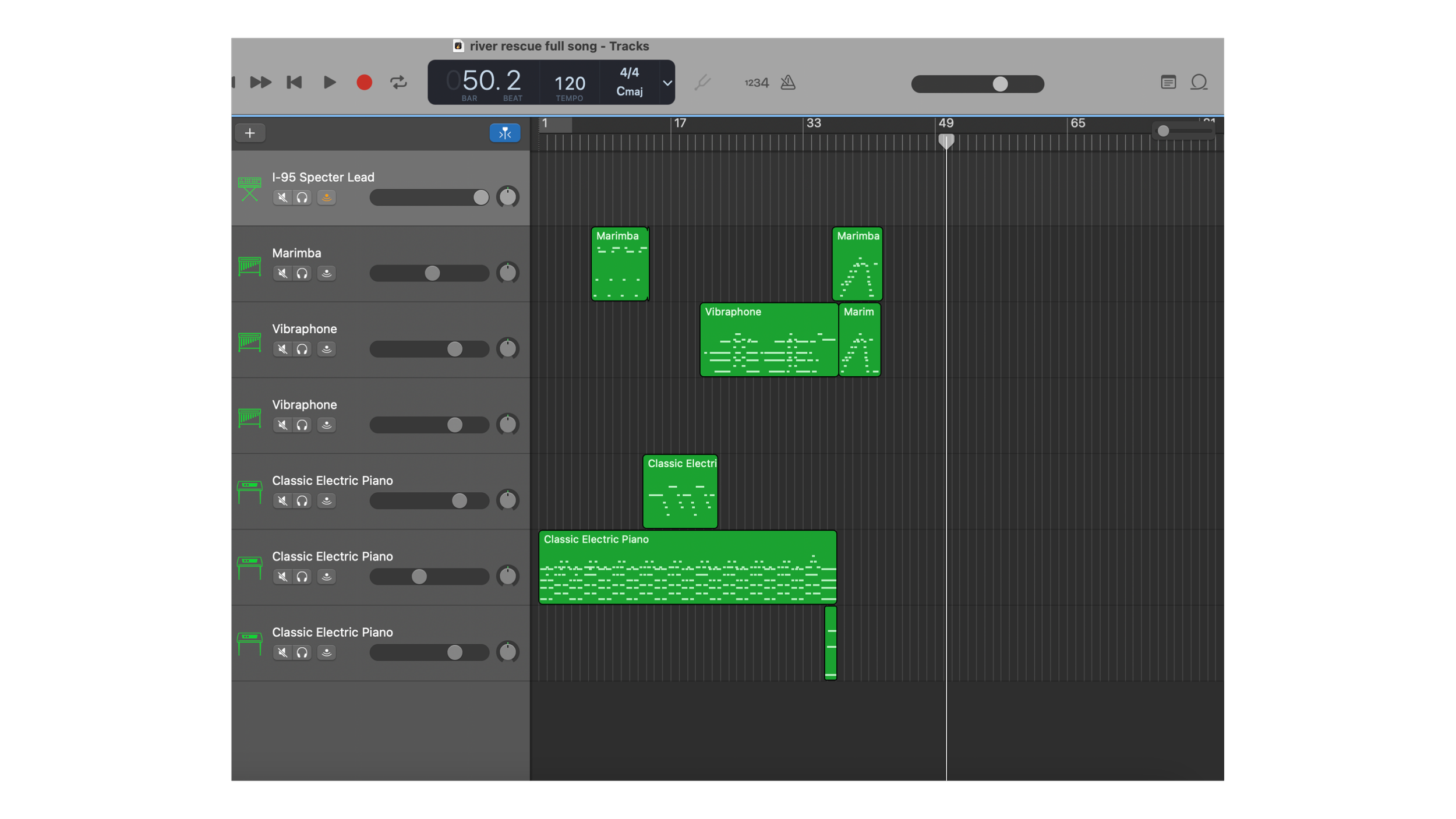
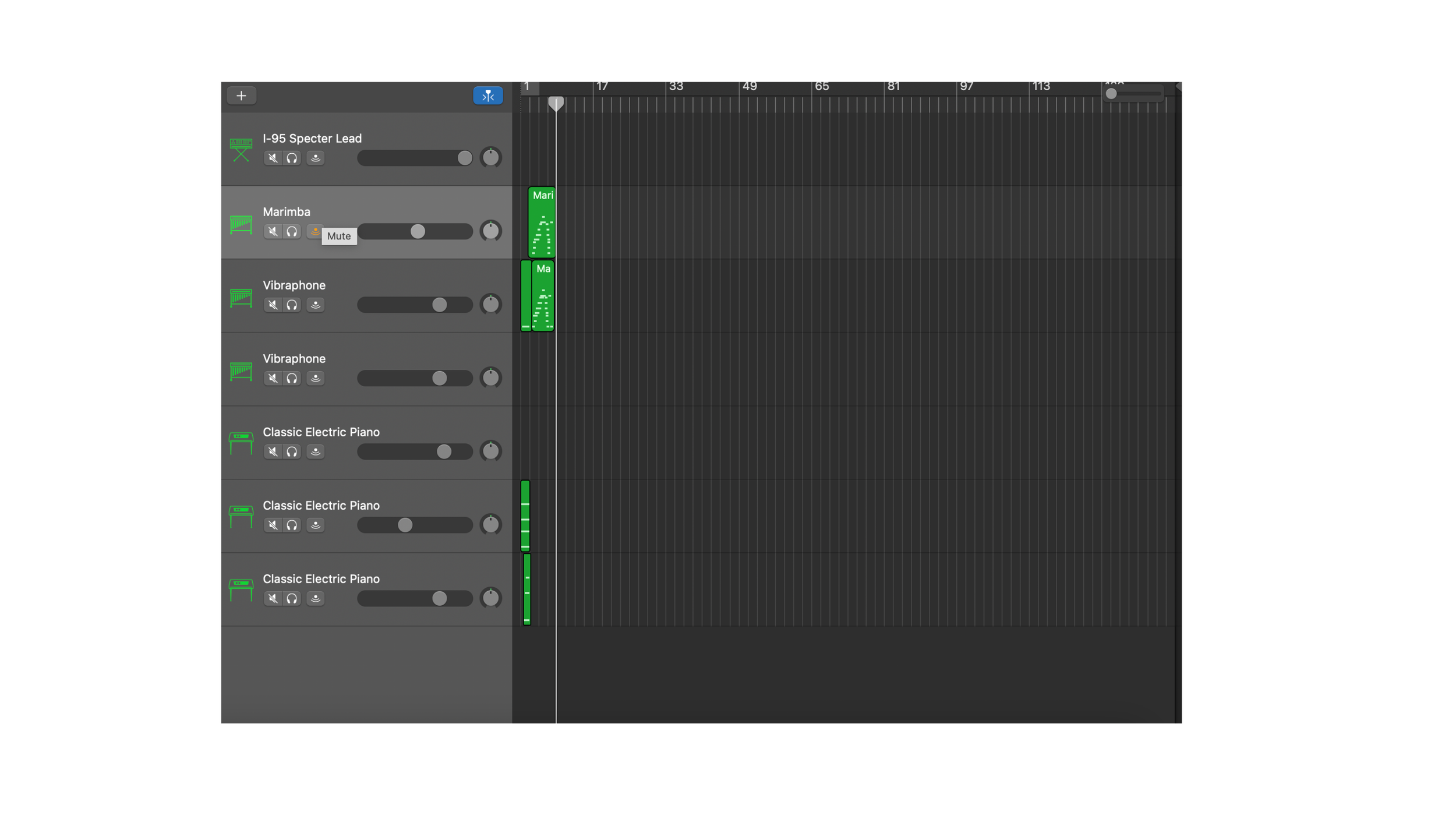
We designed original, kid-friendly audio to be playful and calming rather than overstimulating. Light melodic loops, xylophone-inspired tones, and positive feedback sounds reinforced learning while remaining subtle enough for a shared museum environment.
Final screens
-
The final exhibit concept brings together UX research, interaction design, gameplay mechanics, and sensory design to create an engaging educational experience. By considering not only the screen but also sound, environment, and visitor context, this project demonstrates a holistic approach to experience design within a public, educational setting.